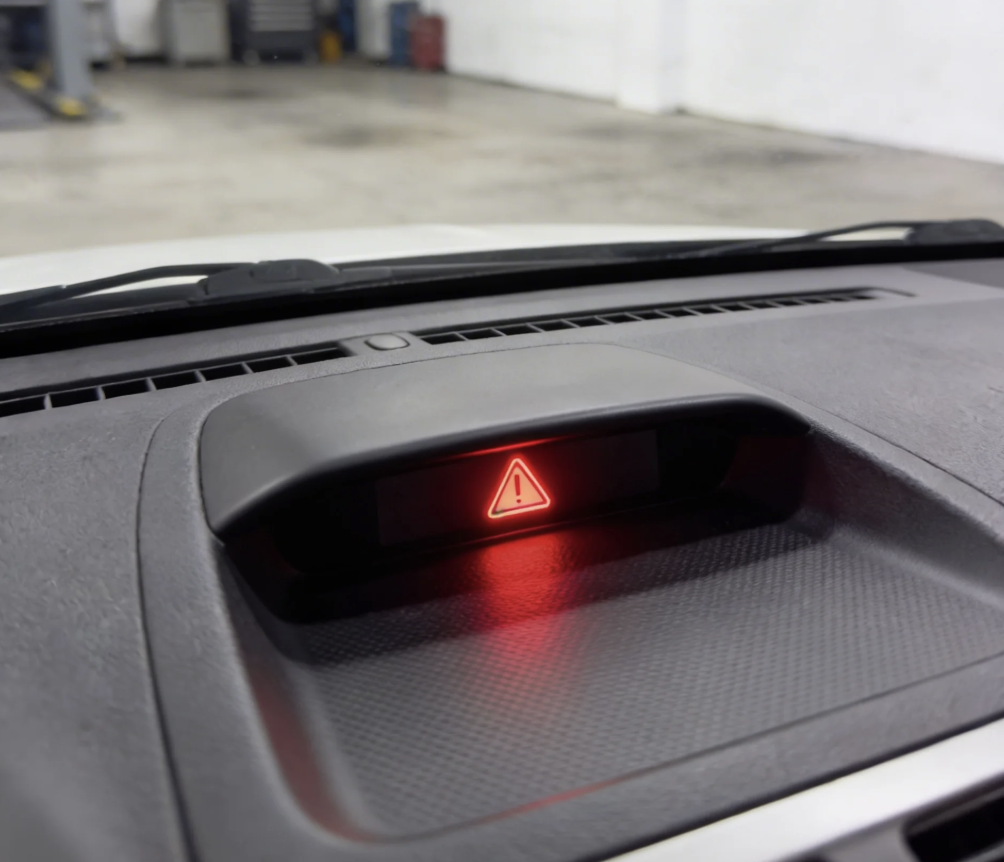
A warning light on the dashboard has a way of changing the mood inside a car very quickly. The drive may feel normal, the engine may sound fine, and daily life may still be carrying on as usual, but one small symbol is enough to make drivers uneasy. That reaction is understandable because warning lights create uncertainty. You know the car is trying to tell you something. You just do not yet know how serious the message is.
That uncertainty becomes even more important when an MOT is approaching. A lot of drivers assume the safest option is to carry on as normal and see what happens on the day. The better option is usually to understand the fault before the test rather than letting the result sheet explain it later.
For people looking up vehicle diagnostics Peterborough, the need is often more practical than technical. You do not want a lecture about systems and sensors. You want to know whether the light matters, whether it affects the test, and whether the fault needs attention now or can wait.
This is one of the most useful things to understand. A dashboard light is not the problem in itself. It is a symptom. It tells you that a system has detected something outside its normal operating range, but it does not explain the full reason on its own.
That matters because the same warning light can point to different causes. An engine management light might be something relatively simple, such as a sensor issue, or it might point to a fault affecting emissions or running quality. An ABS light may indicate a sensor fault, a wiring issue, or something deeper in the braking system. Without proper checks, you are guessing.
That is where good diagnostics earn their place. The purpose is not to read a code and stop there. The purpose is to find the reason behind the code and decide what action actually makes sense. That is the difference between proper fault finding and expensive guesswork.
The MOT checks whether certain safety and emissions related systems meet the required standard on the day. If a warning light points to a fault in one of those systems, there is a clear chance it will affect the outcome.
That does not mean every light automatically becomes a disaster. It does mean it should not be ignored. The closer the appointment gets, the more valuable clear information becomes. If the fault is minor and easily resolved, there is time to sort it without panic. If the issue is more involved, you still have room to make decisions without being forced into them by the expiry date.
The real advantage of diagnostics before the MOT is control. You stop reacting and start understanding. Instead of wondering whether the car will pass, you know what is going on and what the sensible next step looks like.
This catches a lot of people out. Drivers often assume that if the car feels fine on the road, the warning must not be urgent. In some cases the vehicle does continue to drive normally, at least for a while. That does not mean the fault is irrelevant.
Modern cars can compensate for certain problems well enough that the driver notices very little at first. A sensor may be feeding bad information into the system while the car still feels broadly usable. An emissions related issue may not feel dramatic from behind the wheel. A fault in a safety system may stay hidden until the dashboard light appears.
That is why relying only on feel can be misleading. The vehicle may be masking the problem more effectively than you realise. Diagnostics help bridge that gap by showing what the systems are actually reporting behind the scenes.
People sometimes assume a fault code gives a complete answer on its own. It rarely does. The code gives a direction, not a finished diagnosis. Context still matters.
For example, a code related to mixture, airflow, or emissions might connect to a sensor, but it might also reflect a leak, contamination, wiring damage, or a different mechanical problem entirely. A code can point the investigation in the right direction, but it does not replace proper testing and inspection.
That is why a good garage does not simply plug in a scanner, read the code, and start replacing parts. The code should lead to further checks. It should be matched against symptoms, the way the vehicle is driving, and any visible signs that support the diagnosis.
This matters even more before an MOT because random parts changing is the worst way to prepare for a test. It costs money, creates confusion, and often leaves the original problem untouched.
There is no benefit in treating every faint concern as an emergency, but there are clear moments when diagnostics become the right move. If the engine management light stays on, if the ABS or brake related warning appears, if the car has become rough to drive, or if fuel use has suddenly worsened, it is worth investigating.
The same applies if a light has appeared and disappeared a few times. Intermittent faults can be frustrating, but they are still faults. A disappearing light is not always good news. It can mean the system has moved in and out of tolerance, which is exactly the sort of thing that deserves a closer look.
Diagnostics are also worth considering when there is no warning light but the car feels wrong. Hesitation, poor starting, weak throttle response, strange electrical behaviour, or random cut outs can all point to issues that need more than a visual inspection.
There is a practical side to all this. If diagnostics are done early enough, you gain time. Time to understand the fault. Time to approve the right repair. Time to avoid a rushed decision because the certificate is nearly up.
That breathing room matters for ordinary family cars, but it matters even more for people who rely on a vehicle every day. If you need the car for work, childcare, or regular commitments, having to deal with a surprise MOT issue at the last minute is far more disruptive than dealing with it calmly in advance.
It also tends to be a better financial choice. Accurate fault finding helps prevent unnecessary repairs. Instead of replacing parts because they seem likely, you fix the issue that actually needs attention.
Drivers often want a clear rule for whether a warning light is serious. In reality, urgency depends on the system involved, the symptoms around it, and whether the vehicle is still operating safely.
A warning tied to braking or stability deserves immediate attention because it may affect safety. An engine or emissions related fault may still allow the car to drive, but that does not mean it should be ignored, especially before an MOT. Electrical faults can vary from inconvenient to important depending on what system is affected.
The safest approach is not to rank lights emotionally but to understand them properly. Once the fault is identified, the next step usually becomes straightforward.
Warning lights create anxiety because they leave too much unknown. Diagnostics are useful because they replace that uncertainty with information. That is what makes them so valuable before an MOT.
If the dashboard is trying to tell you something, listen before the annual test turns it into a bigger inconvenience. Find out what the fault is, decide what needs doing, and go into the appointment with clarity instead of hope.
That is a far better way to deal with modern vehicles than waiting for the light to disappear or assuming the car will somehow sort itself out.